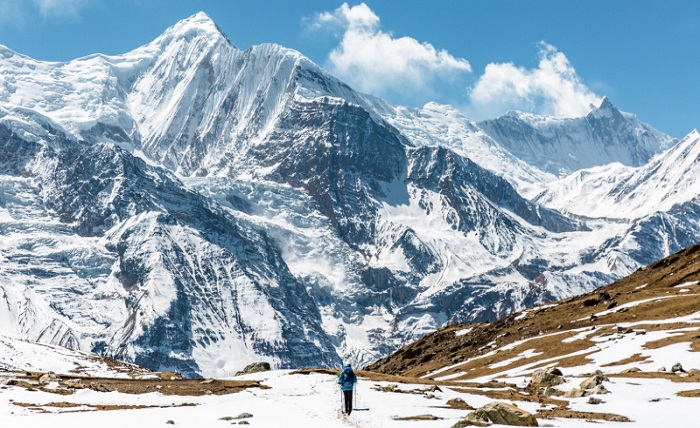
The Annapurna Circuit Trek, among the most rewarding walking trails in Nepal, is a classic trek as we circumnavigate the giant after completing one of the popular treks to Ghorepani Poonhill or Annapurna Base Camp. This legendary journey, also known as the Annapurna Round Trek, is an adventure that you will never forget. However, don’t sign up without preparing for some seriously strenuous physical activity — hiking on uneven terrain once daily and crossing Thorong La Pass (at 5,416 meters) at high Annapurna Circuit Elevation can be tough! For a safe, fun , and enjoyable trek, learning and meeting the physical requirements is the first step.
If you book your plans around an all-encompassing Annapurna Circuit Tour or decide to do a personal Annapurna Circuit Trek Itinerary, it will be the act of custom-tailored for your personal fitness level. This article provides the necessary info on what or how you can prepare to properly enjoy and preserve such an amazing experience, sometimes arranged by a reputable Annapurna Circuit Trek Company to take care of all those details.
How to Get Rock Solid Cardio for the Annapurna Circuit
The fundamental criteria of the Annapurna Circuit Trekking adventure is “endurance in continuity.” Trekkers typically walk five to eight hours a day for two or three weeks, which is the average time frame for an Annapurna Circuit Itinerary or Short Annapurna Circuit Trek plan. You need to train your heart and lungs so that oxygen can travel around your body more effectively, and with altitude on the Annapurna Circuit, it’s important. Start focusing on at least three to four days per week of cardiovascular exercises beginning at least three months before your trip.
Aerobic activities such as long-distance running, fast walking, bike riding, or swimming are the crucible of this conditioning. The trick is to gradually do longer, more intense versions of these workouts. Stairs and hills: These workouts can be especially beneficial as they replicate exactly the challenging ups and downs you’ll face on the Trek Nepal Annapurna Circuit Trek. You can train at home using a stair-stepping machine or search for a local park with steep paths and wear your weighed-up daypack — the one you will actually be carrying on the trail, if possible— to give yourself an idea of what it’ll feel like to complete your Annapurna Circuit. Good cardio is essential to acclimatise with the high altitude on the upper part of the Annapurna Circuit, Nepal route.
Annapurna Circuit trekking: Strengthen the main muscle groups for you!
For endurance, but strength, which is what stops me from getting injured, whether I’m carrying a rucksack (backpack) or walking down the uneven and often rocky yak paths of the Annapurna Circuit Trek Map. You need to be training for those key muscle groups that take the strain when you’re on high Annapurna Circuit Tour. Concentrate on muscular endurance and not maximum strength (i.e., more reps/moderate resistance).
Legs and core are your two main focuses. Build strong thighs and glutes: For the constant ascent, include exercises like squats, lunges, and step-ups. Calf raises are a crucial part of being stable on sketchy terrain and for strong downhill braking. A strong core, which includes planks and rotation exercises to help balance and alignment while carrying your pack and using trekking poles. Don’t forget your back and shoulders, rows, and shoulder press workouts will give you the strength to handle carrying your pack daily on your Annapurna Circuit Trekking Nepal experience. And this targeted strength work will really help with the Annapurna Circuit trip.
The Hiking Simulation & Gear Practice
Hiking is the best training for hiking, no surprise there. If done right, sim hikes might be the most efficient tool to train yourself for the Annapurna Circuit Trek. First, work yourself up to long weekend walks to simulate your Annapurna Circuit Itinerary’s daily walking pace. Crucially: Bring your real trekking boots and a weighted backpack. This is a non-negotiable when it comes to breaking in fresh kicks and avoiding blisters, as well as your body getting used to the sense of hiking loaded up like you will be.
Go for some hikes on trails with different terrain and elevation gains that reflect the varied conditions you’ll see in any half-decent map of the Annapurna Circuit. Because training on consecutive days is such a smart way to get your body ready for the back-to-back tough days of the trek itself, and helps teach your muscles how to recover and function even when you are fatigued. This specialised Hiking Nepal Annapurna Circuit practice will not only enhance the confidence and endurance, making it a genuine challenge for your chosen Annapurna Circuit Trek Cost, but also be a real measure of training. It gives you to opportunity to dial in your pace, experiment with gear testing, and validate that your knowledge of the Annapurna Circuit Map is a real-world one.
Mental Resilience and Altitude Adaptation on the Annapurna Round Trek
The physical challenge is not the only thing you’ll be tested on with this Annapurna Round Trek. Even the best prepared trail hound can be ground down by long days, scummy teahouse accommodations, and dizzyingly thin air at Annapurna Circuit Altitude. Emotional preparation includes creating realistic goals and having tools to help keep your focus, as well as a good mental game. Deep belly breathing: Practise mindful breathing or deep stomach/ belly breathing can help in increasing the oxygen supply to your body, and it helps you stay calm as well (this is especially when embarking on your way up toward Thorong La Pass).
Real altitude acclimatization can only happen at elevation, but your training will allow your body to push harder with less oxygen. Alternating short, high-intensity bouts of activity with periods of recovery at a slower speed is one of the high-intensity interval training techniques that can improve your body’s efficiency in dealing with oxygen debt. Ultimately, then being in tune with your body and taking things slow – the so-called ‘Nepali flat’ pace – as well as heeding an experienced (and safe) Annapurna Circuit Trek Guide’s advice about acclimatization days are the most effective ways to mitigate against altitude sickness risks on trekking in Nepal Annapurna Circuit.
Annapurna Circuit Short Trek Training Schedule for the course of Annapurna Circuit Short Trek.
Integral to getting value from your Annapurna Circuit Trekking Cost investment is a proper, graduated training schedule. In all, it should take you between two and four months to prepare. Begin with a foundational period and emphasize creating a schedule in cardiovascular exercises such as jogging and weight training. Phase 2: The second phase should be more intense, lasting longer, and including weighted hiking simulations and hill work.
Then, in the last four to six weeks leading up to your Annapurna Circuit Short Trek, you will be doing long back-to-back practice hikes with the full weight of your backpacks to simulate how it is likely going to feel on the hike. The final week is key for tapering (cutting back your workouts), while keeping activity short and light. This gives your muscles a good chance to fully recover and regenerate energy for the physical realities of completing the full Annapurna Circuit Trek. The good news is: by booking your adventure with a trustworthy Annapurna Circuit Trek Agency sufficiently in advance, you will have plenty of time to put in this vital training regime.
Final Thoughts on Your Annapurna Circuit Trek Fitness Guide
Whilst the trail isn’t impossible for those with a decent baseline level of fitness and preparation, failing to prepare physically can transform an amazing experience into something that is just a slog. Through a dedicated training schedule — with America’s Best Train Rides as the ultimate goal, preparing for a hiking trip towards Thorong La Pass: In doing this, you will have achieved not only getting over Canada Vaccination proof but ensuring you love every step on your holiday! Make sure to talk with your doctor before signing on for a big high-altitude trek and consider hiring an experienced Annapurna Circuit Trek Guide, as this will help you stay safe and local. Your current commitment will make all the difference for your epic adventure on the beautiful (and even better now without the numbers) Annapurna Round Trek.